Museums already produce outcomes in well-being, social connection, and community progress. The people who fund those outcomes vastly outnumber the people who fund museums.
The Value Articulation Intensive is a peer cohort where museum directors sharpen the case for their institution’s value — grounded in research across 8,000+ visitors — and test it in real stakeholder conversations. Cohort 1 directors used this with government ministries, foundation officers, and capital campaign prospects.
The pool of people who already accept that museums deserve public investment is getting smaller. Not because the traditional arguments got worse — but because the people you need to persuade next were never in that pool. Economic impact, attendance, educational programming — these reinforce a case for people who already believe it. They don’t open conversations with people who don’t.
Dr. John H. Falk
The traditional case for museums — economic impact, educational programming, cultural preservation — works. Museum leaders make it skillfully, often to great effect. That’s part of the problem. The competence is real, but it lands with exactly the audience that already values what museums do: museum-friendly boards, cultural foundations, engaged donors. The ease of those conversations makes it harder to see why the next ones require entirely different vocabulary.
The next conversation is about community outcomes, public health, social infrastructure — and the traditional case doesn’t speak to it. The research gives you a second vocabulary — one that works with stakeholders who don’t start from those premises.
Museums already generate measurable outcomes in personal well-being, social connection, and cognitive health — at roughly $10 of measured benefit for every $1 spent. These are outcomes the next tier of stakeholders already care about and already fund.
The harder part is connecting these findings to the specific language each stakeholder needs to hear. The research behind this work is detailed in full in Falk’s essay on communicating museum value.
Directors from Cohort 1 took this research into real stakeholder conversations with government ministries, foundation officers, and institutional leadership teams.
Cohort 1 included nine directors. Here are three who took it into real conversations.
 Government
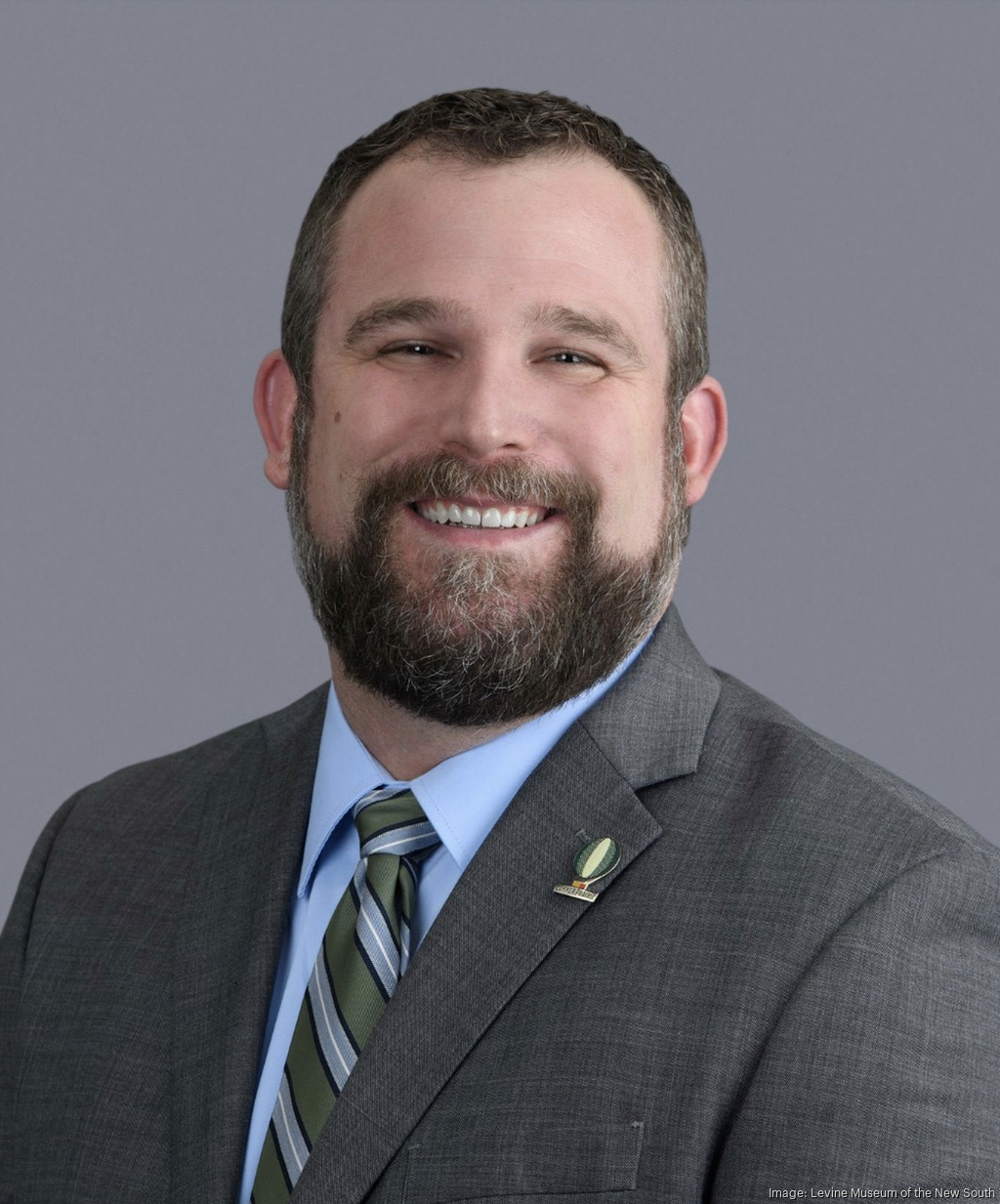 Foundation & Capital Campaign
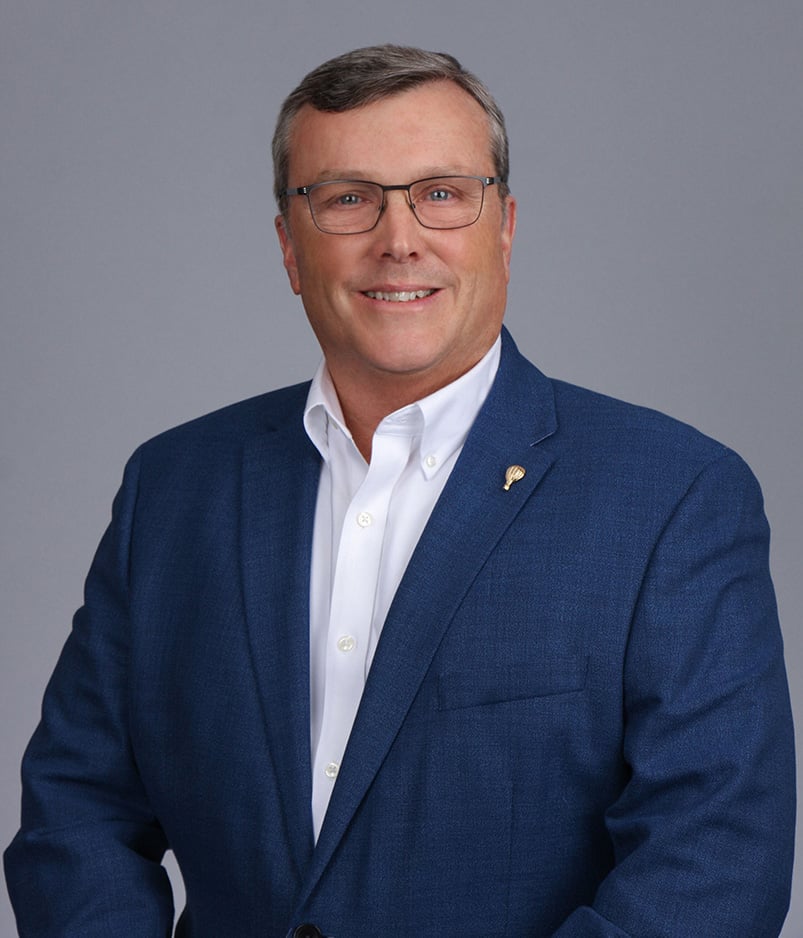 Embedded Practice
The full report covers what landed, what didn’t, and what changed.
Download the Report (PDF)Cohort 2 runs for ten weeks beginning mid-April, with sessions every other week on weekday afternoons Eastern. There are seven sessions total — five core sessions and two optional practice sessions in off-weeks — facilitated by Kyle Bowen and John Falk. Before the cohort begins, each director arranges a short outcomes assessment among their staff, so everyone arrives with their own institution’s data alongside the shared research.
You arrive with a specific stakeholder conversation in mind — a foundation officer, government liaison, or board member who shapes what happens next. We start with the research: what 8,000+ visitor assessments actually show about the outcomes museums produce, and why that evidence opens conversations the traditional case can’t. This becomes the shared vocabulary you’ll use throughout.
Your institutional constraints determine which approaches are available to you. You map the structural conditions at your own institution and identify which options your situation actually supports.
Live practice with the specific objections government officials, foundation officers, and major donors actually raise. You hear how peers handle the same conversations differently.
External conversations get most of the attention, but internal resistance can undermine them. This session focuses on the organizational dynamics — leadership alignment, competing priorities, institutional attachment to existing language — that shape whether a new approach actually takes hold.
Between sessions 4 and 5, you take your approach into a real stakeholder conversation. The capstone is where you bring back what happened, refine it through peer critique, and leave with a 30-day plan for your next conversations.
Need an invoice for institutional payment? Contact [email protected]
Get new field notes delivered to your inbox.
No spam. Unsubscribe anytime.
Early bird pricing ends March 27.
Questions? Email [email protected] or schedule a call.
